

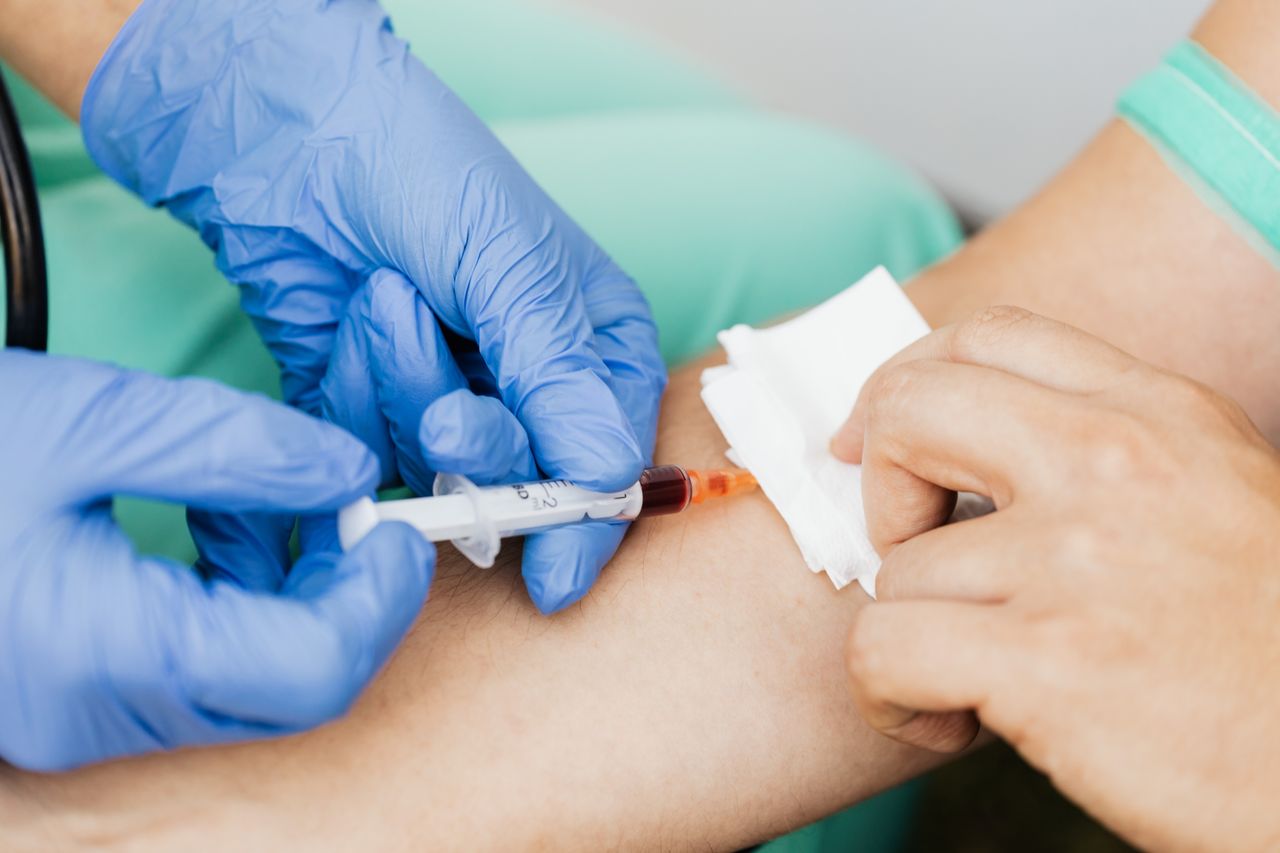
Meet Kashi.
Kashi Clinical Laboratories is a clinical testing laboratory with multiple lines of business covering genetics, urinalysis, and blood tests. When they added a new phlebotomy department, they approached Sembit, who had developed their custom LIMS, to extend it to include phlebotomy tasks and to create a mobile app for their phlebotomists to use in the field.
The Challenge? A New Line of Business.
Kashi Clinical Labs added General Diagnostics to their many services. Part of this included the ability for providers to order blood tests in the Kashi online order portal. Kashi would then dispatch a phlebotomist to draw the patient's blood at the appropriate time and deliver it to the lab. The lab would test it and report the results back securely on the portal, as they do with all their other tests. Kashi, knowing the value of automation and the importance of accurate service, wanted a seamless experience for the phlebotomists they sent out to collect these samples.
What We Built? A Modern Mobile App.
Sembit began with a full UX/UI design phase involving user interviews, workflow mapping, and high-fidelity clickable prototypes, focused on clarity and usability for the phlebotomists.
The project was built in three phases to get v1 usable as quickly as possible. First release was the ability to manage and view scheduled draws and mark the information complete manually via a mobile-optimized web app. Second was release as a native mobile app with the ability to print test tube labels via bluetooth to a portable label printer. Third was adding detailed logging capabilities for time and mileage.
Kashi found a label printer that was inexpensive but had no documented API. Sembit deduced the appropriate Bluetooth Low Energy characteristics and label language, which was a variant of a standard. Then Sembit created appropriate native Flutter plugins for iOS and Android to send a barcoded label to the printer.
Sembit used the Dart language and the Flutter UI framework to ensure the mobile app would look and function similarly on both iPhones and Android devices, with minimal OS-specific code. Then GPS integration for geofencing was added for easily bringing up the appropriate orders when phlebotomist arrived on site, and tracking mileage as they visited various locations, and time tracking for identifying when the phlebotomist was working.
Sembit used Go and SQL Server to extend the existing LIMS system with new tracking for phlebotomist draws to perform, locations to visit, and metrics on time spent and miles traveled.
Conclusion
The Kashi Phlebotomist App shows how native mobile apps are instrumental in streamlining business service delivery where interaction with the real world is important.